Booking an African bowhunt means putting one of the most important trips of your life in the hands of someone you have often never met. Get it right and you come home with the hunt of a lifetime and a friend for good. Get it wrong and there is very little you can do from the other side of the world, once the deposit has cleared and the dates are set. Choosing the best bowhunting outfitter in Africa is not about who has the slickest website or the loudest claims. It is about credentials you can verify, a hunting ethic you agree with, and the kind of straight, unhurried communication that tells you a person has nothing to hide. Here is what actually matters, and the questions that separate a world-class operation from the rest.
1. Verifiable credentials, not marketing claims
Anyone can call themselves the best. The word gets stamped on almost every hunting website, so on its own it tells you very little. What you are really looking for is proof that stands up when you check it: membership of recognised bodies, a genuine record book, and years of real hunting across different countries and species. Ask for specifics and see whether the answers hold together.
Membership of Safari Club International (SCI) and PHASA, the Professional Hunters' Association of South Africa, is a good first filter. These bodies set standards of conduct and give you somewhere to turn if something goes wrong. Danie Geel is a member of both, holds four SCI world records taken with a bow, and has taken more than 110 species across six African countries. A record like that is built over decades in the field and cannot be faked on a landing page.
Credentials also tell you something subtler. An outfitter who has hunted widely has seen the situations that go wrong and knows how to steer around them. That hard-won judgement is a large part of what you are paying for.
2. Fair chase on genuine wild ground
The single biggest difference between one African hunt and another is the ground it happens on. The best bowhunting in Africa takes place on free-range, low-fenced country where animals move naturally, feed and water where they choose, and every stalk is earned on foot. That is a completely different experience from a small, high-fenced property where game has nowhere to go.
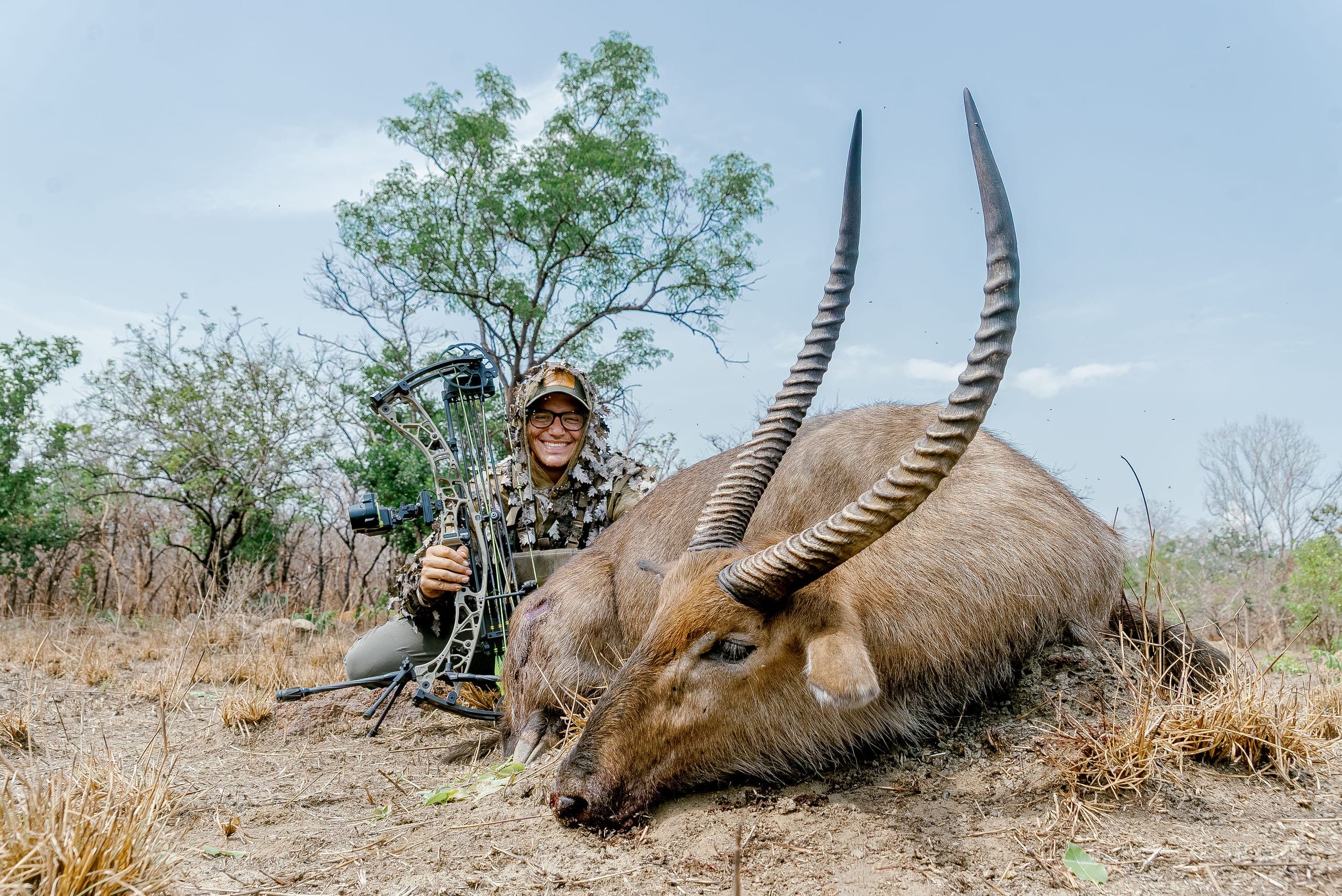
So ask directly. How big is the area? Are there high fences? Is the game truly wild and free-ranging? A quality outfitter will answer plainly and be proud to do it. Danie hunts fair chase, with a bow, on free-range and low-fenced ground, with no high fences and no shortcuts. If an outfitter is evasive about fences or acreage, treat that vagueness as an answer in itself.
Fair chase matters for the quality of the hunt, too. On open ground your fieldcraft is tested, the wind and the animals write the script, and the trophy you earn means more precisely because of how you took it.
3. Genuine bow-specific experience
Bowhunting is not rifle hunting with a shorter effective range. It is a different discipline that demands close approaches, disciplined shot selection, patience in a blind, and a guide who understands exactly how close is close enough. Plenty of operations advertise archery hunts but really run rifle safaris with a bow bolted on. You want someone who lives and breathes archery.
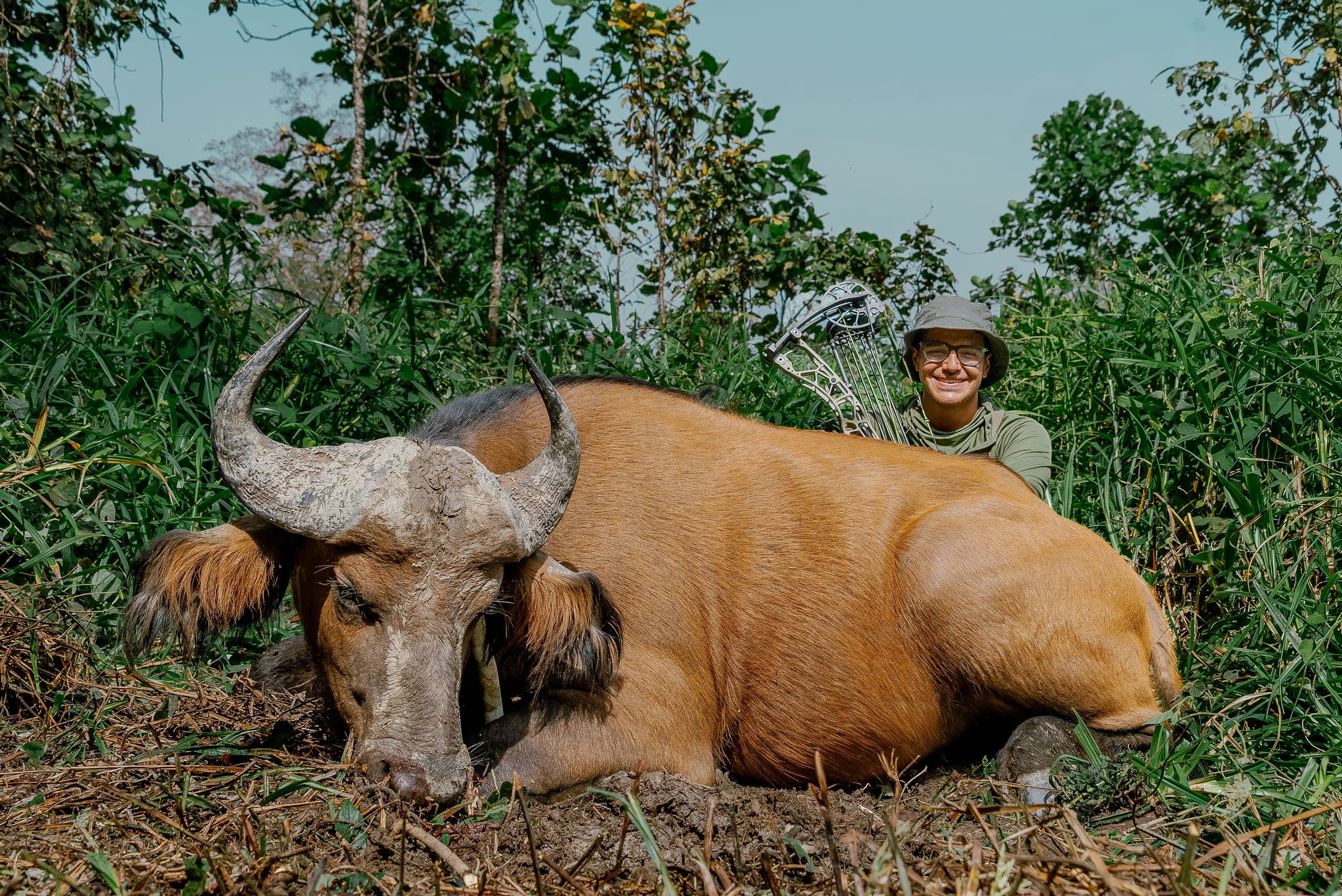
Danie took his first animal at age five and his first Cape buffalo at eleven, and has spent a lifetime guiding bowhunters in particular. That background shows in the small decisions that decide a hunt: where to build a blind, when to hold for a better angle, how to read an animal's body language at fifteen yards. It also shows in honest talk about your own shooting long before you ever board a plane.
A bow-focused outfitter will ask about your setup, your effective range and your practice routine, and will plan the hunt around what you can genuinely do. Treat that as a good sign, not as an insult.
4. References and straight communication
Ask for the contact details of the last three hunting parties and actually call them. Put one simple question to each: would you book again, and did anything surprise you? Past clients will tell you things a brochure never will, from how the camp and the food really were to how the outfitter behaved when a stalk fell apart or the weather turned.
Watch how the outfitter communicates with you, too. Clear pricing, prompt replies and a willingness to answer awkward questions are all signs of an honest operation. Vague costs, hidden fees, pressure to commit and slow, evasive answers are the loudest warning signs there are. How someone treats you before you have paid is the best preview of how they will treat you in camp.
When you are weighing how to choose an African hunting outfitter, references and communication often matter more than photographs. Anyone can post a good trophy picture. Not everyone can produce a line of happy hunters willing to vouch for them by name.
5. Logistics handled from door to door
A great African bowhunt is as much about organisation as it is about hunting. Permits, any special weapon clearance, CITES paperwork for certain species, flight logistics and the dip, pack and ship of your trophies afterwards all have to be arranged and correctly timed. Get one of those wrong and it can cost you days of your hunt, or months of delay getting a trophy home.
The best outfitters handle all of it so that your only job is to hunt. Danie's operation takes care of permits, CITES paperwork, weapon clearance, flights logistics and the dip, pack and ship of trophies to your taxidermist. When it feels like the whole journey is being managed for you, from the moment you land at Johannesburg to the day your trophy reaches home, you have found a serious operation.
Ask specifically who handles each step. A breezy do not worry about it is not the same thing as a clear explanation of how the process works and who is responsible for each part of it.
6. Match the outfitter to the hunt you want
The best bowhunting outfitter in Africa for one hunter is not automatically the best for another. What matters is the fit between what you want to hunt and where the outfitter genuinely operates. Plains game in the malaria-free areas of South Africa is a very different trip from a big-game safari further north, and both take specific, local knowledge.
Danie offers hunts across seven destinations: South Africa, Tanzania, Mozambique, Namibia, Uganda, Zambia and Zimbabwe. That range means the hunt can be built around your target species and your experience, rather than forced into whatever a single property happens to hold. If you are new to Africa, say so, and let the outfitter steer you toward the right first hunt.
Take your time, verify the credentials, call the references and ask the hard questions. When you are ready to talk it through with someone who has spent a lifetime doing exactly this, get in touch with Danie and he will help you plan a hunt that fits you.
Ready to plan your African bowhunt?
Tell Danie what you're chasing. He'll reply personally within 24 hours.
Start your enquiry